How Solana Cards Work: A Beginner's Guide
What a Solana card actually does, how payments work, and the Solana card options KAST offers for spending crypto like a normal card.
Key Takeaways
- A Solana card lets you spend crypto-funded balances anywhere Visa or Mastercard is accepted, without merchants needing to support crypto.
- You are usually spending stablecoins that convert to fiat at checkout, not directly paying with SOL.
- KAST offers multiple Solana card tiers, including virtual and physical options, all using the same Solana-based rails with different rewards and designs.
You’ve seen “Solana card” all over X and thought: Cool. But what does it actually do?
Do you pay with SOL?
Does the shop accept crypto?
Is it just a normal crypto card with Solana branding?
Those questions make total sense. This guide clears it up by explaining what a Solana card actually is, the types of Solana cards KAST offers, and how they differ from each other.
What Is a Solana Card?
A Solana card is a card you can use in the real world that’s funded by assets on Solana rails.
At checkout, the merchant still gets paid in normal money like USD or EUR. You’re using crypto-native infrastructure on your side, without changing anything for the store. You’re not asking the cashier to accept SOL. You’re just making your crypto spendable.
Solana cards work because they run on the same card networks the world already uses. If a merchant accepts Visa or Mastercard, they can usually accept a Solana card too, because to them the payment looks completely normal. The crypto part stays quietly in the background.
How Solana Cards Work
When you tap your card, two things happen.
First, the system checks whether you have enough money. Then, later, the payment fully settles.
That sounds obvious, but the timing gap sometimes creates confusion.
Authorization
Authorization is the instant “yes” you see at the terminal. The network confirms you have available credit and places a temporary hold on your KAST Card. That’s why you see pending transactions almost immediately.
Settlement
Settlement is when the money actually moves. It can feel delayed because merchants batch transactions, banks process them in cycles, and weekends slow everything down.
So your coffee can be done in a minute, while your final balance update takes a little longer to show up.
Crypto cards still authorize instantly through Visa. Settlement can happen onchain after the merchant finalizes, which is why balance updates can feel clearer than with traditional banks.
Are You Paying With SOL?
This is the part most people actually care about.
You’re not usually paying with SOL in the literal sense. Most Solana card setups are designed to feel stable and predictable, which is why stablecoins matter.
Instead of your spending power moving with the market, you’re usually spending from a stablecoin-backed balance that converts to local fiat at the moment of payment.
From your side, it’s simple. You deposit funds to secure your credit line, you pay like normal, conversion happens quietly, the store gets paid in fiat, and you move on with your life. No new habits required.
You can use a Solana card in the same places you use a normal one. In stores, you tap, insert, or swipe. Online, if a site accepts standard card details, it usually accepts your Solana card too. ATMs can work as well, though fees tend to add up, so they’re better used occasionally.
If your balance doesn’t update instantly, that’s usually settlement timing, not a bug. Some merchants place larger temporary holds, like restaurants, hotels, rental cars, or gas stations. Once the merchant finalizes, the hold adjusts. Refunds can also take a few business days, even when processed quickly.
None of this means your card is broken. It just means cards are doing card things.
Are Solana Cards Safe?
Yes. But you’re still responsible for your security habits.
A Solana card is a powerful tool, so treat it like one. Keep only what you want to secure your spending credit line on your KAST Card, store long-term holdings in cold storage, and use strong passwords with app-based 2FA instead of SMS when possible.
KAST Solana Cards Explained
This is where “Solana card” stops being abstract.
The KAST Card is a credit card issued through a licensed banking partner. Each transaction uses a credit line that is secured by your deposited balance, which determines how much you can spend.
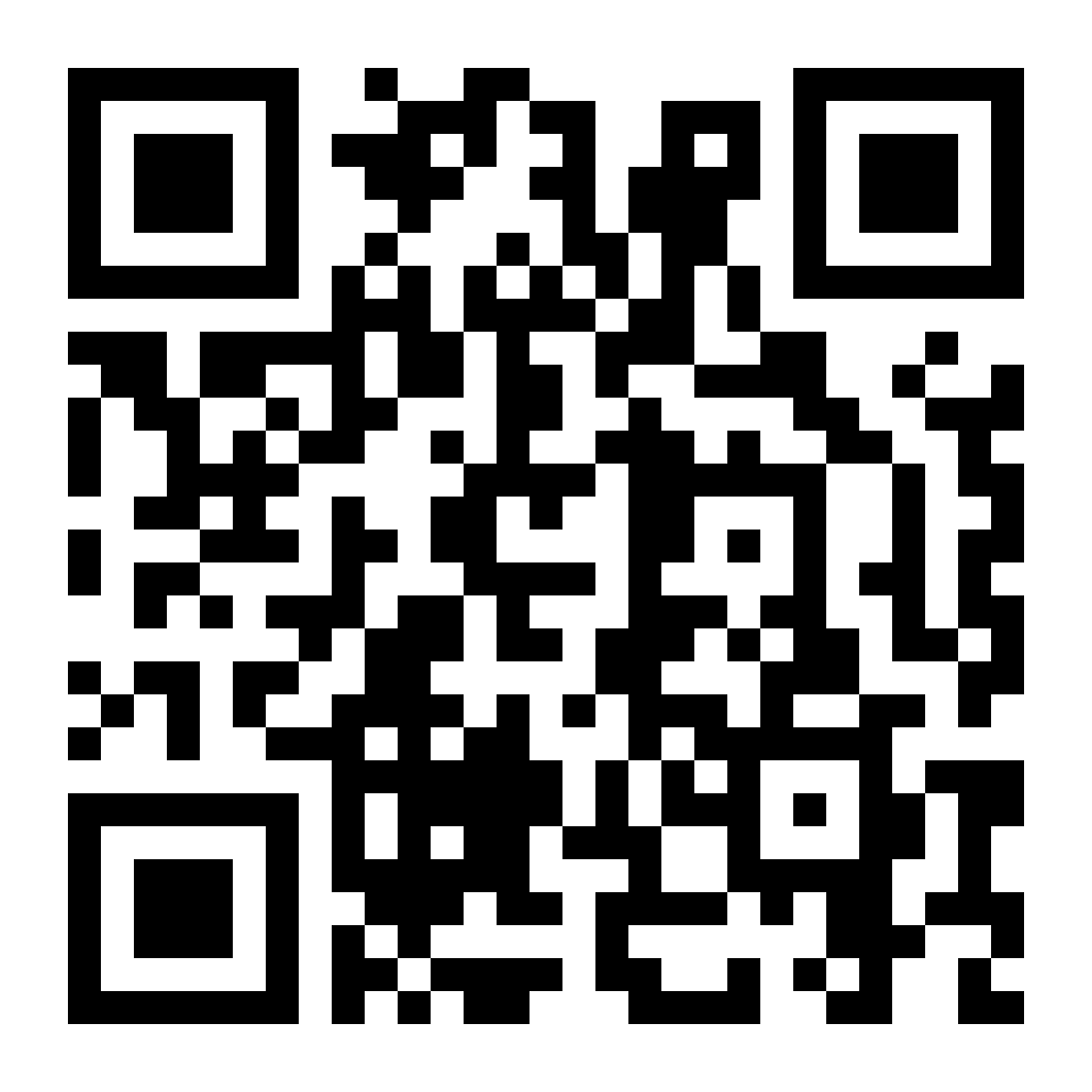
KAST offers multiple Solana card options, all built on the same core idea: you spend using a credit line secured by your deposited crypto balance while payments feel familiar everywhere else.
You can start instantly with a virtual Solana card, or order a physical Solana-branded card if you want something you can actually hold. From there, different membership tiers give you different looks and benefits.
How to Order a Solana Card
Ordering a physical Solana card with KAST is straightforward. Open the KAST app, go to the Card tab, tap “Order a Card,” select the Solana card you want, and complete checkout.
That’s it. No extra steps.
Deposits are designed to be fast when you use Solana transfers. KAST supports stablecoins like USDC, USDT, and PYUSD.
This matters because stablecoins are what make everyday spending feel normal. Price stability is the difference between confidently paying and doing math in your head at checkout.
If you want to use a card product, identity verification is part of the deal. KAST users complete KYC during onboarding with a government-issued ID, and then you’re good to go.
What You Should Remember
A Solana card isn’t about convincing merchants to accept crypto. It’s about keeping your money crypto-native on your side while spending stays normal everywhere else.
If your balance updates later, that’s usually settlement timing. If you’re using stablecoins, spending stays predictable. And if you want a Solana-branded card you can actually hold, KAST gives you virtual and physical options across multiple card types.
You shouldn’t have to guess what happened after you tapped your card.
Now you don’t.
Disclaimer: This content is provided by KAST Academy for educational purposes only and is not intended as financial advice or a recommendation to engage in any transaction. All information is provided "as-is" and does not account for your individual financial circumstances. Digital assets involve significant risk; the value of your investments may fluctuate, and you may lose your principal. Some products mentioned may be restricted in your jurisdiction. By continuing to read, you agree that KAST group, KAST Academy, its directors, officers and employees are not liable for any investment decisions or losses resulting from the use of this information.
Related articles
What Are Gas Fees and Why Are They So Cheap on Solana?
Gas fees are the cost of processing transactions on a blockchain. Some networks charge dollars or more per transaction, while others charge fractions of a cent. The difference comes down to how each blockchain is designed, and why Solana makes everyday crypto spending fast and cheap.
How Does a Crypto Card Work Behind the Scenes?
Ever tapped your card and thought, “Wait, did I just spend Bitcoin?” That’s the magic of a crypto card - simple on the surface, but powered by incredible tech underneath. Let’s unpack how it all works, and how your KAST Card makes it real, simple, and powerful for you.
Are Crypto Cards Safe to Use?
Crypto cards are powerful tools for spending your digital assets in the real world. Like any other card, they're safe when you follow the right security practices.