KAST Cards Explained: Tiers, Rewards, Fees, and How to Choose
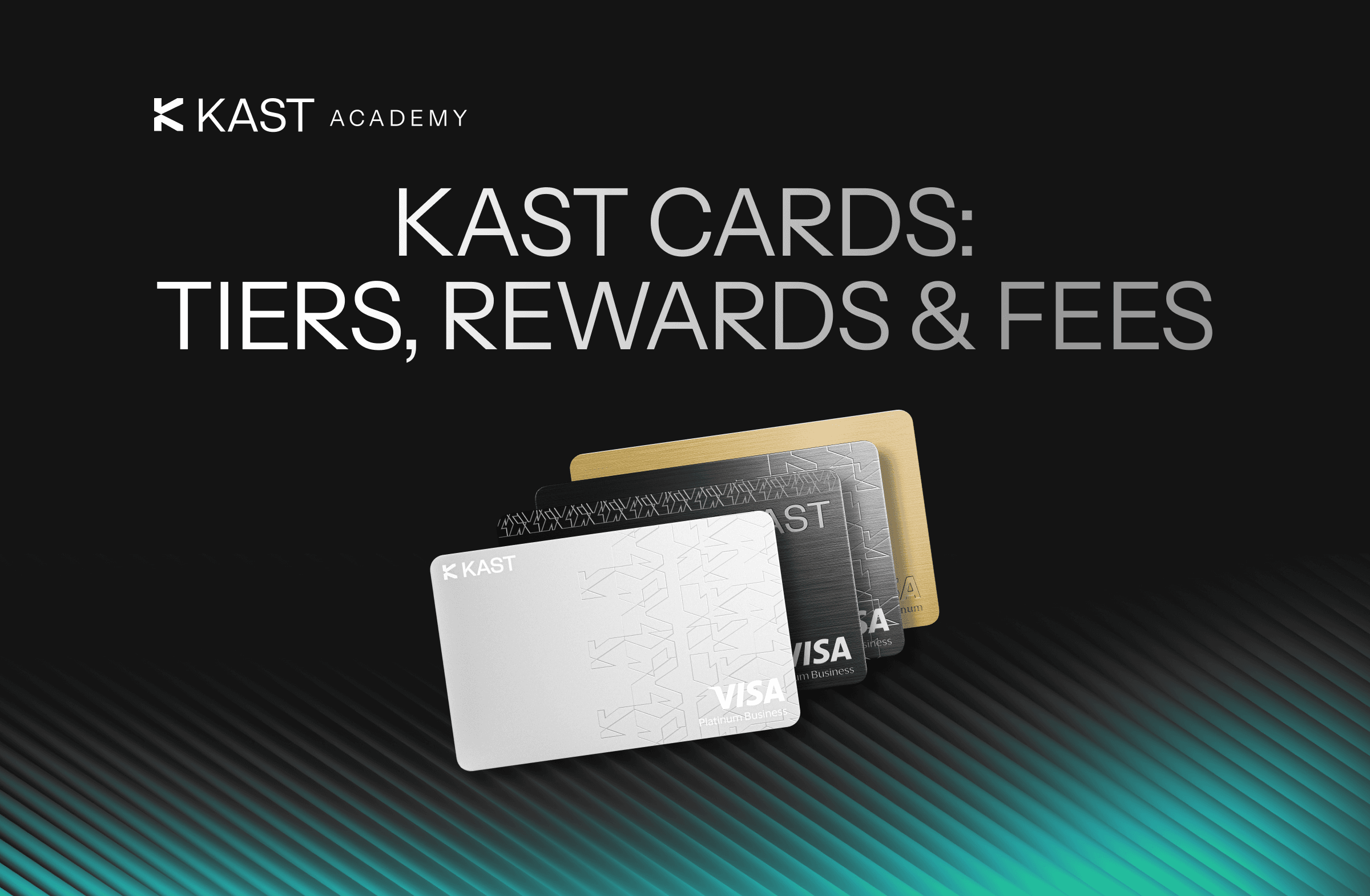
KAST Cards have four tiers: Standard, Premium, Limited, and Luxe. Each changes KAST Points, SOL staking points speed, materials, and fees. Start with a virtual card in the app, then order a physical card with shipping where available.
Key Takeaways
- KAST Cards have four tiers: Standard, Premium, Limited, and Luxe.
- Standard keeps entry simple with no annual fee and base rewards.
- Premium and Limited raise rewards and use metal, while Luxe tops rewards and adds VIP perks.
You opened KAST Cards and saw four tiers.
Standard. Premium. Limited. Luxe.
Different names. Different looks. Different rewards. Different fees.
Then the obvious question hits: which one should you actually pick?
Each tier changes what you earn in KAST Points, how fast you earn SOL staking points, what the card feels like in your hand, and what you pay to get it. So the best card is not one tier. It is the tier that matches how you spend and what you want to carry.
If you want something simple, Standard keeps things clean. If you want higher rewards and a metal feel, Premium moves you up. If you want something scarce that never comes back, Limited sits in that lane. If you want maximum perks and standout materials, Luxe sits at the top.
What Is a KAST Card?
KAST does not offer a single card. It offers a lineup.
These cards let you spend using a KAST Card credit line secured by your deposited balance in everyday life. However, KAST does not treat them like generic designs. Instead, it creates cards that match specific ecosystems and communities.
That is why you will see options built around KAST, Solana, Bitcoin, and Pengu.
At checkout, they all work the same way. Still, the design tells people what you are into.
Meet the KAST Card Lineup
KAST runs multiple themed designs across its tiers.
On the Solana side, you will see designs such as Illuma, Gold, and Solid Gold. On the Bitcoin side, you will see Silver and Black.
Pengu also sits inside the same lineup. It is a co branded card with Pudgy Penguins, powered by KAST.
So the choice stays simple. First, you pick a tier for rewards and fees. Then you pick the design you want to carry.
Card Tiers and Where You Fit In
KAST organizes cards into four tiers so you can decide how far to go.
Standard focuses on easy entry and everyday spending. Premium upgrades the feel and rewards. Limited stays scarce and never reissues. Luxe pushes rewards and perks to the top.
How KAST Cards Work
KAST offers virtual and physical cards. You can start with a virtual card in the app, then order a physical one when you need it.
Virtual cards unlock inside the app. Physical cards ship after you order and pay shipping.
All tiers support unlimited card transactions. However, ATM rules and limits apply.
Virtual Cards
Virtual cards unlock in the app. You can use them online and add them to your phone wallet where supported.
In most countries, the first two virtual cards are free. After that, each extra virtual card costs $2. In some countries, the first virtual card costs $2.
Virtual cards work the same as physical cards for payments and rewards.
Pengu is available as a virtual card design inside KAST.
Physical Cards
You can order a physical card in the app.
Go to KAST app → Cards → choose your tier, then tap your card and select Order card. After that, enter your shipping details and pay the shipping fee.
KAST prepares the card and ships it to your address.
Pengu physical card is upcoming.
KAST Membership Tiers
This table keeps the tier rules at a glance.
Pricing, Fees, and What to Expect
KAST card pricing depends on tier.
Standard cards are free to issue. Meanwhile, Premium, Limited, and Luxe have tier based costs tied to materials, rewards, and exclusivity.
Physical card shipping still applies where relevant.
FX, ATM Usage, and Spending Basics
KAST card transactions are billed to your USD-denominated credit line, secured by your deposited balance, so spending stays predictable.
ATM withdrawals incur a $3 flat fee plus 2% of the withdrawal amount. For non USD ATM withdrawals, KAST also applies a 0.5% to 1.75% foreign exchange fee, depending on the countries involved.
ATM withdrawals cap at up to $250 per withdrawal. You can make up to three withdrawals or withdraw up to $750 total per 24 hour period.
ATM Limits and Fees
Use these baseline limits for planning.
ATM fees apply per withdrawal.
Stablecoin Withdrawal Fees
These fees apply when you withdraw supported stablecoins on these networks.
Minimum stablecoin withdrawal amount: $5. Maximum: Unlimited
KAST Cards
Standard Cards
Standard fits everyday spending. You get premium plastic and the base rewards rate.
You can start with a virtual card first. After that, you can order a physical card and pay shipping.
Standard keeps fees simple. You do not pay a yearly membership fee, and you still earn rewards as you spend.
Premium Cards
Premium increases rewards and switches to metal materials.
Premium also adds a yearly fee. In return, you get a higher KAST Points rate on card spending and a higher SOL staking points rate.
Premium includes ecosystem designs, and it also includes Pengu as a Premium tier option.
Solana Illuma Card
Solana Illuma sits in the Premium tier. It keeps the same 4% KAST Points, but it changes how the card feels in the real world.
Illuma comes in metal and includes a tap activated light effect. When you make a contactless payment, the card lights up right as you tap. So the checkout moment looks different, not just the card design.
That light gets reactions. You tap at a café or bar, the card flashes, and heads turn. Friends ask what it is. Someone wants to hold it. it still charges purchases to your KAST Card credit line like every other card, but it adds a small “wow” moment every time you pay.
Limited Cards
Limited keeps the Premium level reward structure, while access stays scarce.
Limited uses a one time purchase. After that, the tier stays tied to the same reward level.
Limited fits early supporters who want something rare that never reissues.
Luxe Cards
Luxe sits at the top tier. It combines the highest KAST Points rate on spending and the highest SOL staking points rate.
Luxe also adds VIP benefits, including VIP concierge and VIP access at KAST events.
Some Luxe editions require an invite. Materials can include gold plated or solid gold designs.
Pengu Card
The Pengu Card, also called the Pudgy Penguins card, is a co branded rewards card powered by KAST.
You can use it like a normal card at merchants and ATMs. It connects to your KAST account, so you can spend using a credit line secured by your deposited crypto or fiat.
You do not need to own a Pudgy Penguin or a Lil Pudgy. You only need a Know-Your-Customer (KYC) verified KAST account.
At checkout, it works like any other card. Your KAST Card credit line is used for the payment, secured by your deposited balance, so you do not convert manually.
You get a virtual Pengu card first. Then you can order the physical card when it becomes available in your region.
Pengu Black Card
The Pengu Black Card sits inside the Pengu Card rollout. It links to the waitlist, so your KAST account becomes the entry point for the campaign.
First, the giveaway follows clear rules. You need a verified (KYC) KAST account, and you need to join the Pengu Card waitlist. Then you meet the $100 requirement. New users qualify by depositing $100 or more in USDT or USDC. Existing users qualify by spending $100 or more.
Second, the waitlist connects to more card perks beyond the giveaway. When you join the waitlist with a KAST account, you qualify for a free Standard Pengu Card. Also, if you rank on the waitlist leaderboard, the top 10 referrers qualify for a free Premium Pengu Card.
Third, the Black Card stays positioned as a limited reward inside the Pengu launch. It runs through campaign rules and waitlist participation, not a standard card checkout flow.
How to Get Your First KAST Card
Open the KAST app and go to Cards. Then choose your tier.
If you want a virtual card, tap to unlock it. The card appears in the app.
If you want a physical card, tap the card and select Order card. Then enter your details and pay shipping.
KAST Card Quiz: Find Your Tier
Pick one answer for each question. Then count which letter you chose most.
A equals Standard. B equals Premium. C equals Limited. D equals Luxe.
If you tie, pick the tier that matches the fee style you prefer.
1) What matters most right now?
A. No annual fee and simple rewards
B. Higher rewards and metal materials
C. Scarce access that never reissues
D. Maximum rewards and VIP benefits
2) How often will you use the card?
A. Daily spending and online payments
B. Frequent spending across many purchases
C. Occasional use, but I want something rare
D. High spend and premium usage
3) What do you want to carry?
A. Plastic is fine
B. Metal card
C. Scarce metal card
D. Gold plated or solid gold
4) What rewards rate do you want?
A. None
B. 1% Cashback
C. 3% Cashback
D. 5% Cashback
5) Which fee structure fits you best?
A. No annual fee
B. Annual fee for higher rewards
C. One time purchase for scarce access
D. High annual fee for maximum perks
Disclaimer: This content is provided by KAST Academy for educational purposes only and is not intended as financial advice or a recommendation to engage in any transaction. All information is provided "as-is" and does not account for your individual financial circumstances. Digital assets involve significant risk; the value of your investments may fluctuate, and you may lose your principal. Some products mentioned may be restricted in your jurisdiction. By continuing to read, you agree that KAST group, KAST Academy, its directors, officers and employees are not liable for any investment decisions or losses resulting from the use of this information.
Related articles
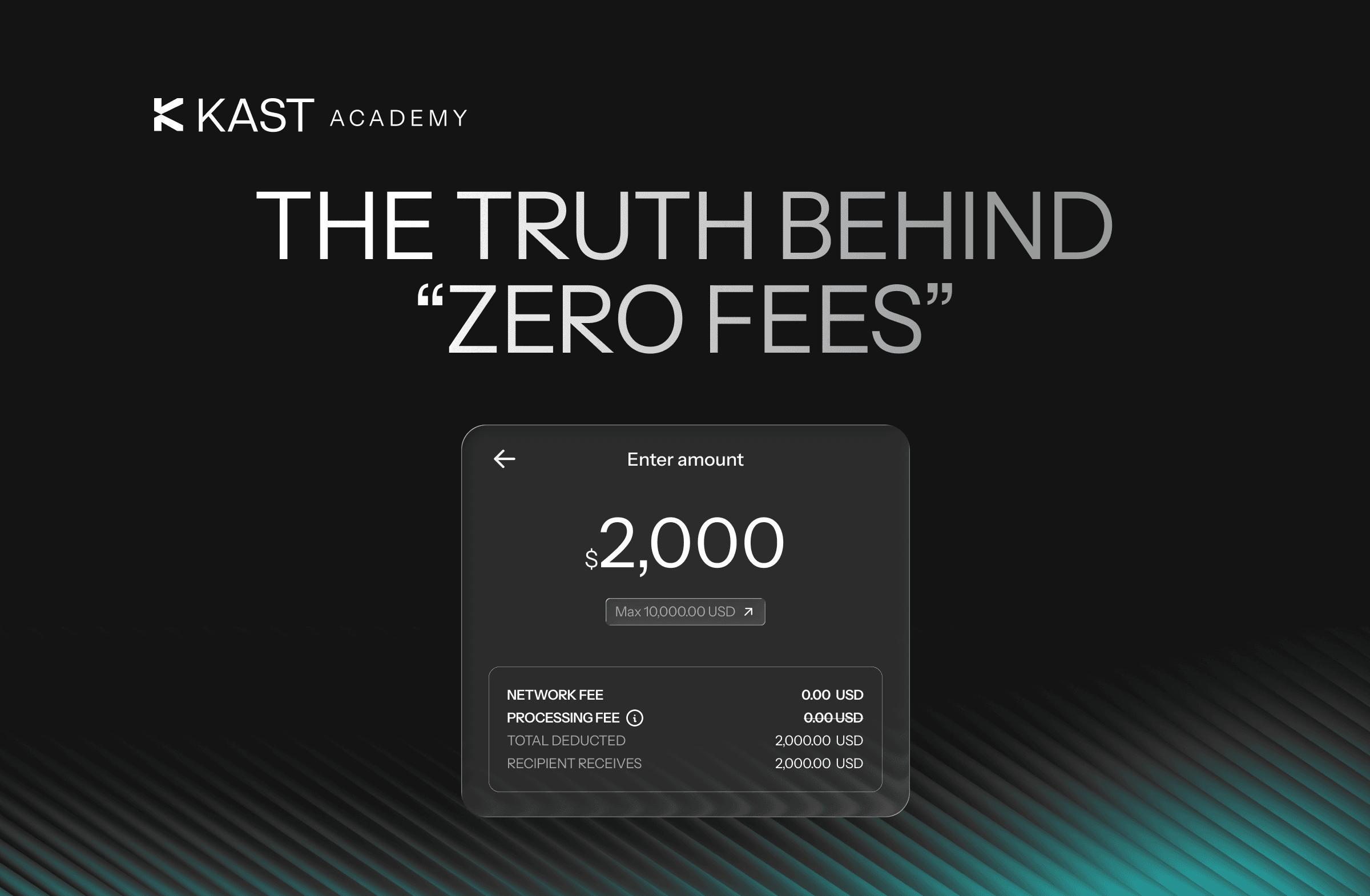
What Are “Zero Fees” in Crypto: Every KAST Fee Explained
This guide breaks down how hidden crypto fees actually work, where spreads and markups quietly reduce your payout, and how KAST shows every fee upfront so you always know what you pay and what you receive.
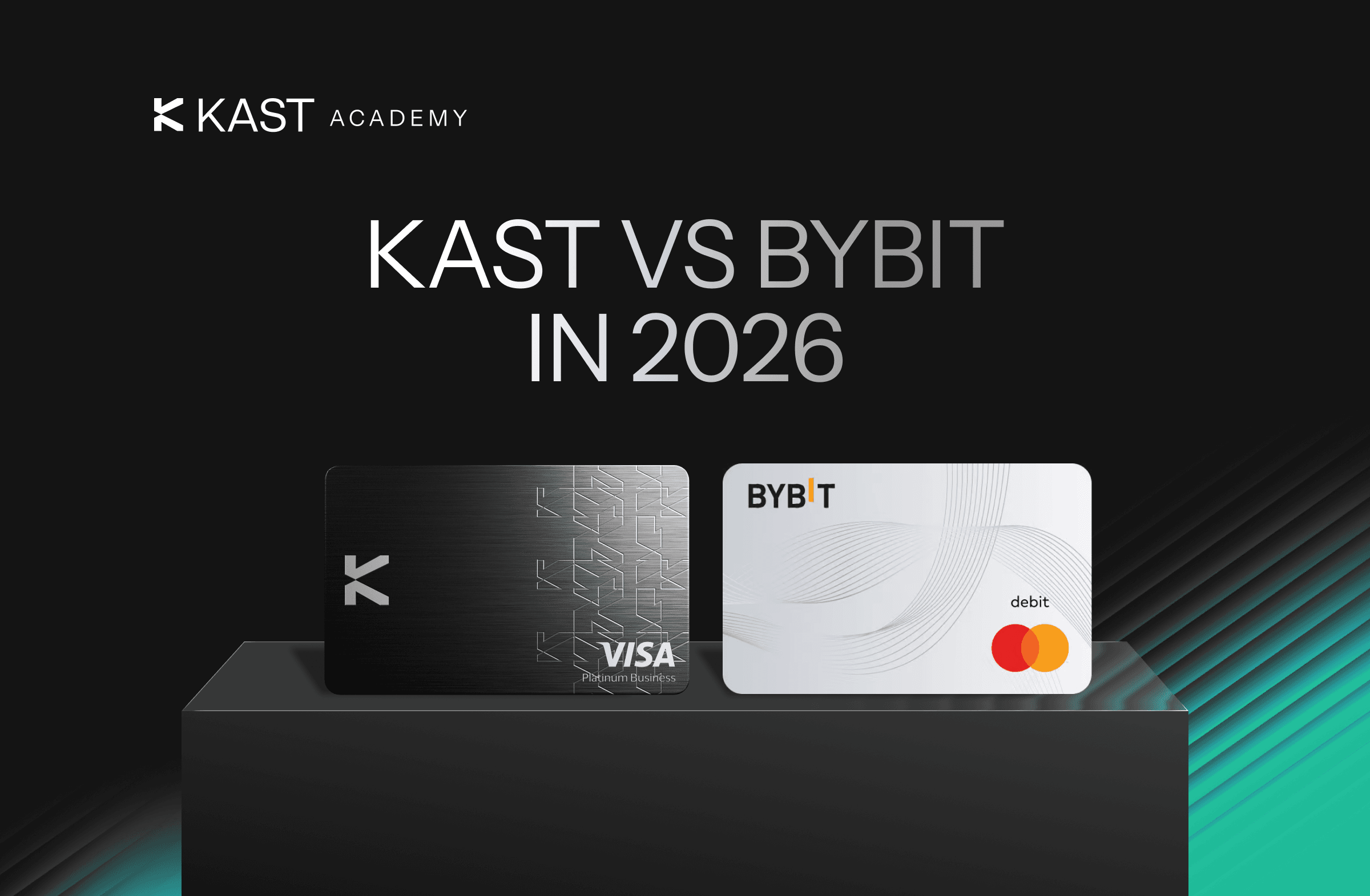
KAST vs Bybit Card: Which Crypto Card Is Better in 2026?
A detailed comparison of KAST and the Bybit Card covering FX fees, rewards, funding costs, ATM limits, and off-ramp structure to help you decide which crypto debit card fits your spending style.
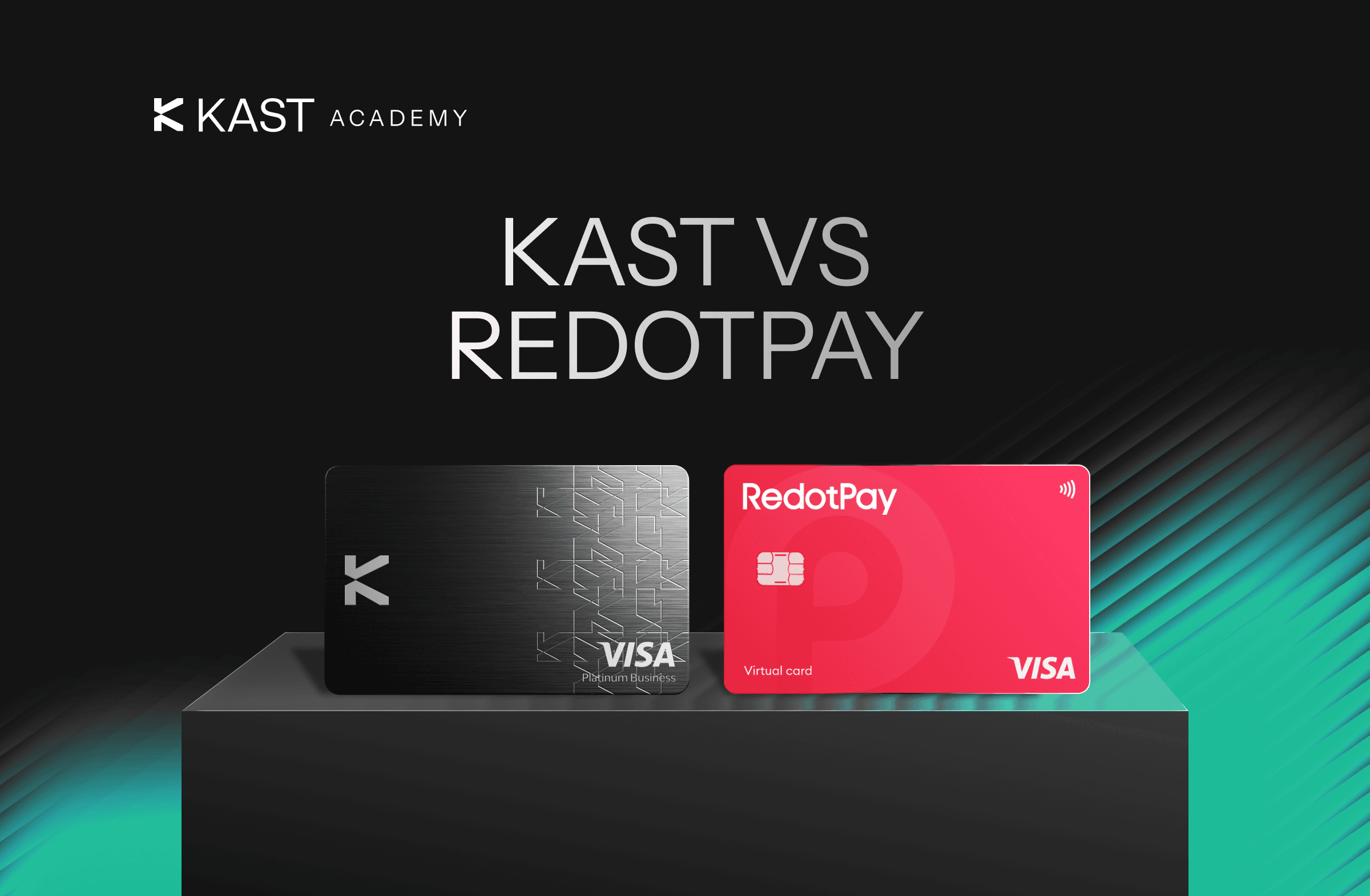
KAST vs RedotPay: Which Crypto Card Is Better for Everyday Spending?
A clear comparison of KAST vs RedotPay. See fees, cashback, limits, and real-world costs to choose the right crypto card for your spending.