Cashback Comparison: KAST vs Bitget vs Etherfi vs Crypto.com vs Bybit vs Bitget
Not all crypto cashback is created equal. This guide breaks down how different cards calculate rewards, what limits your earnings, and which setups actually work if you just want reliable cashback without constant optimization.
Key Takeaways
- Cashback is only “good” if you can actually earn it on your normal spending. The rate, caps, and conditions matter more than the headline number.
- Most crypto cards don’t offer simple cashback. They use caps, thresholds, categories, or promo windows that change what you actually earn.
- If you’re choosing purely on cashback, it comes down to one question: do you want predictable rewards, or are you willing to optimize for higher but conditional rates?
Trying to compare crypto cards but only care about one thing: cashback?
Then ignore everything else. Seriously. No perks, no branding, no ecosystem talk.
Just focus on how rewards actually work: what “cashback” means on each card, what triggers it, what limits it, and whether you’ll earn the advertised percentage once you start spending normally.
This is a cashback-mechanics-only comparison. Rewards, fees, eligibility, and regional terms can change, always verify the latest terms on each provider’s site.
Let’s compare KAST, RedotPay, EtherFi, Bybit, Bitget, and Crypto.com, what limits your earnings, and how likely you are to hit the advertised rates when you spend normally.
What Is Cashback on Crypto Cards
Cashback is simple on paper: you spend, and you get a percentage back.
Crypto cards complicate that. The percentage you see upfront is just the starting point.
What you actually receive, when you can use it, and what reduces it all matter just as much.
Three Questions That Matter
- What do you receive? You might get a volatile token, a stablecoin or USD value, or an internal points system.
- When can you use it? Some cards credit instantly. Others wait for settlement. Some make you manually redeem before you can spend it.
- What reduces your real cashback? Caps, thresholds, category rules, tiers, promo windows, exclusions, and refunds. All of these lower your effective rate, even if the headline number looks great.
That’s why the cashback number alone is not enough.
Common Cashback Mechanics
If you want something you can estimate month to month without tracking rules, the best setup is the one with the fewest conditions. Simple as that.
Crypto Card Cashback Comparison
This is a cashback-only breakdown. Nothing else.
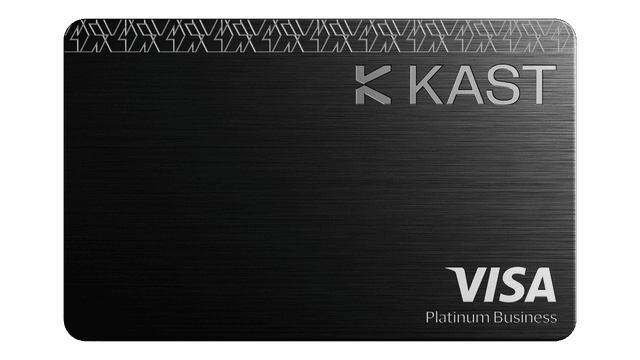
KAST Cashback
KAST has three tiers: Standard, Premium, and Private.
KAST rewards are tier-based: USD cashback, plus extra rewards on paid tiers (KAST Points).
Cashback follows Locked → Redeemable → Redeemed and auto-applies after you redeem.
KAST Card
RedotPay Cashback
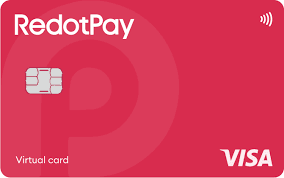
RedotPay has a capped cashback structure, in a limited-time campaign.
It offers 1.5% cashback, applied to the first three transactions per day, with a maximum of $10 in daily rewards.
The effective cashback depends on how your spending is distributed across transactions and whether you reach the daily cap.
What this means for you: if you make more than three payments a day, the extra ones earn nothing. If you spend more, you hit the $10 cap and stop earning.
RedotPay
EtherFi Cash Card Cashback
EtherFi is structured as base rewards plus conditions.
You may get up to 3% cashback up to a spending threshold, and then the rate drops. Rewards are paid in wETH.
So you’re tracking thresholds, categories, and unlock conditions if you want the higher numbers.

EtherFi Card
Bybit Card Cashback
Bybit ties cashback to campaigns and monthly spending.
The cashback rewards are tied to monthly spending. The headline rates are campaign-based and tied to monthly spending tiers.
The top advertised rate typically requires very high monthly spend and is subject to caps, time windows, eligibility, and region-specific rules.
It is also given in points instead of regular cashback. They come with caps, time limits, and region rules.
So the rate depends on whether a campaign is active, whether you qualify, and whether you stay within the limits.
Bybit Card
Bitget Card Cashback
Bitget has announced cashback, but it’s not fully live yet.
The plan is BGB cashback, but the actual rate, caps, and rules haven’t been finalized.
So there’s nothing concrete to evaluate yet.
Bitget Card
Crypto.com Card Cashback
Crypto.com uses tiers.
It advertises up to 5% cashback, paid in CRO, but your rate depends on the tier you’re in and how much CRO you lock in for staking.
For example, to reach the 5% CRO rewards, you must stake $500,00 worth of CRO.
So your actual cashback depends on your tier setup and local terms.
Crypto.com Card
Full Cashback Comparison
Which Crypto Card Cashback Makes Sense
If you care about cashback and nothing else, the decision is pretty simple. Some cards offer higher headline rates, but only if you track categories, hit thresholds, or catch promos at the right time.
Miss one condition and your rate drops. Others keep it predictable, where you know what you’ll earn before you spend. So it comes down to how involved you want to be.
If you’re fine optimizing, you can squeeze out higher returns. If not, a steady, transparent setup will usually win over time.
Disclaimer: This content is provided by KAST Academy for educational purposes only and is not intended as financial advice or a recommendation to engage in any transaction. All information is provided "as-is" and does not account for your individual financial circumstances. Digital assets involve significant risk; the value of your investments may fluctuate, and you may lose your principal. Some products mentioned may be restricted in your jurisdiction. By continuing to read, you agree that KAST group, KAST Academy, its directors, officers and employees are not liable for any investment decisions or losses resulting from the use of this information.
Related articles
What is Cashback in Crypto Cards and How Does it Work
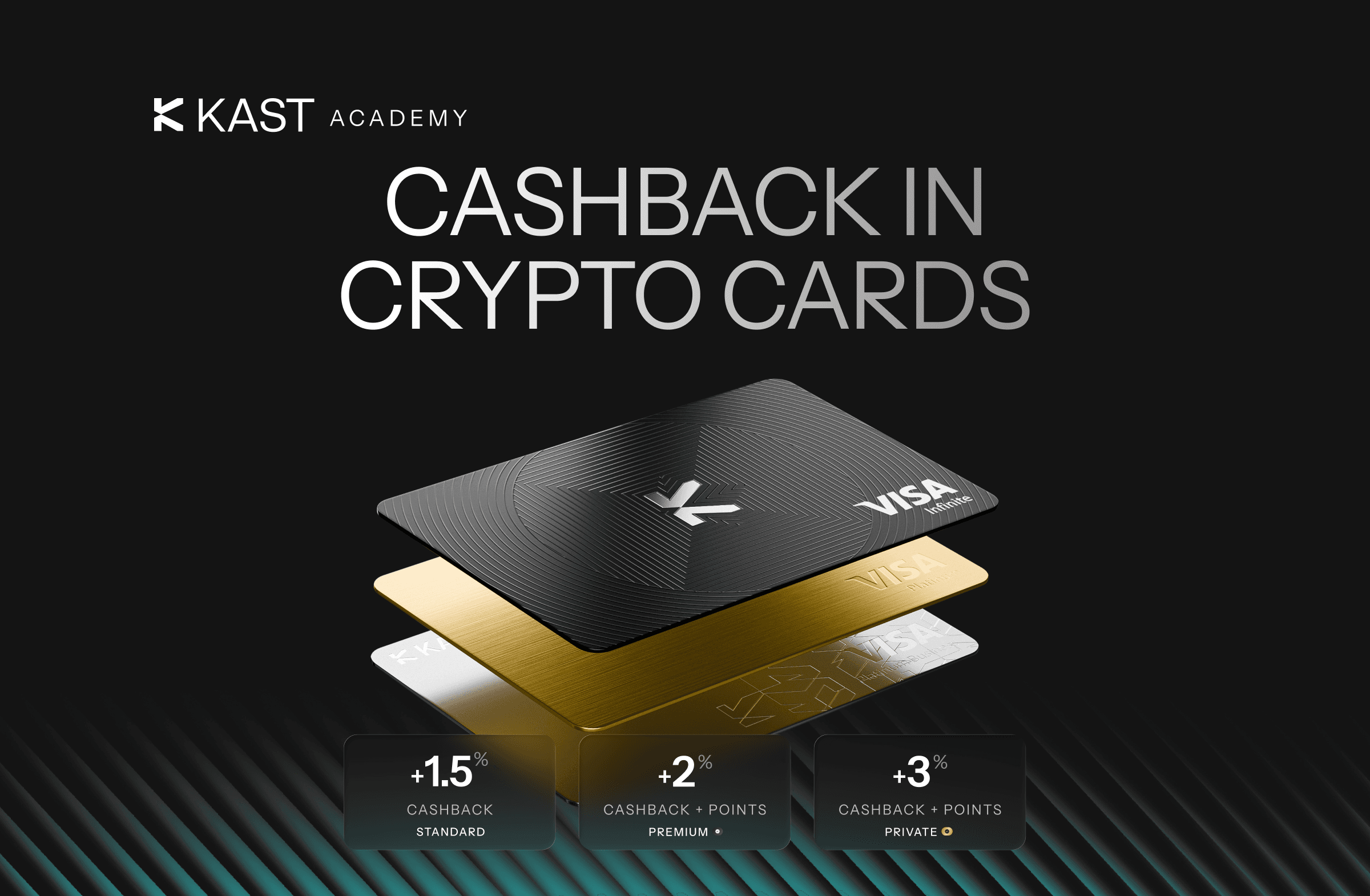
Crypto cashback looks simple until you realize “3% back” can mean three different things. This guide breaks down the common models and explains how KAST cashback works using a clear Locked → Redeemable → Redeemed lifecycle.
How to Maximize Your KAST Membership: A Guide to the New Tier System
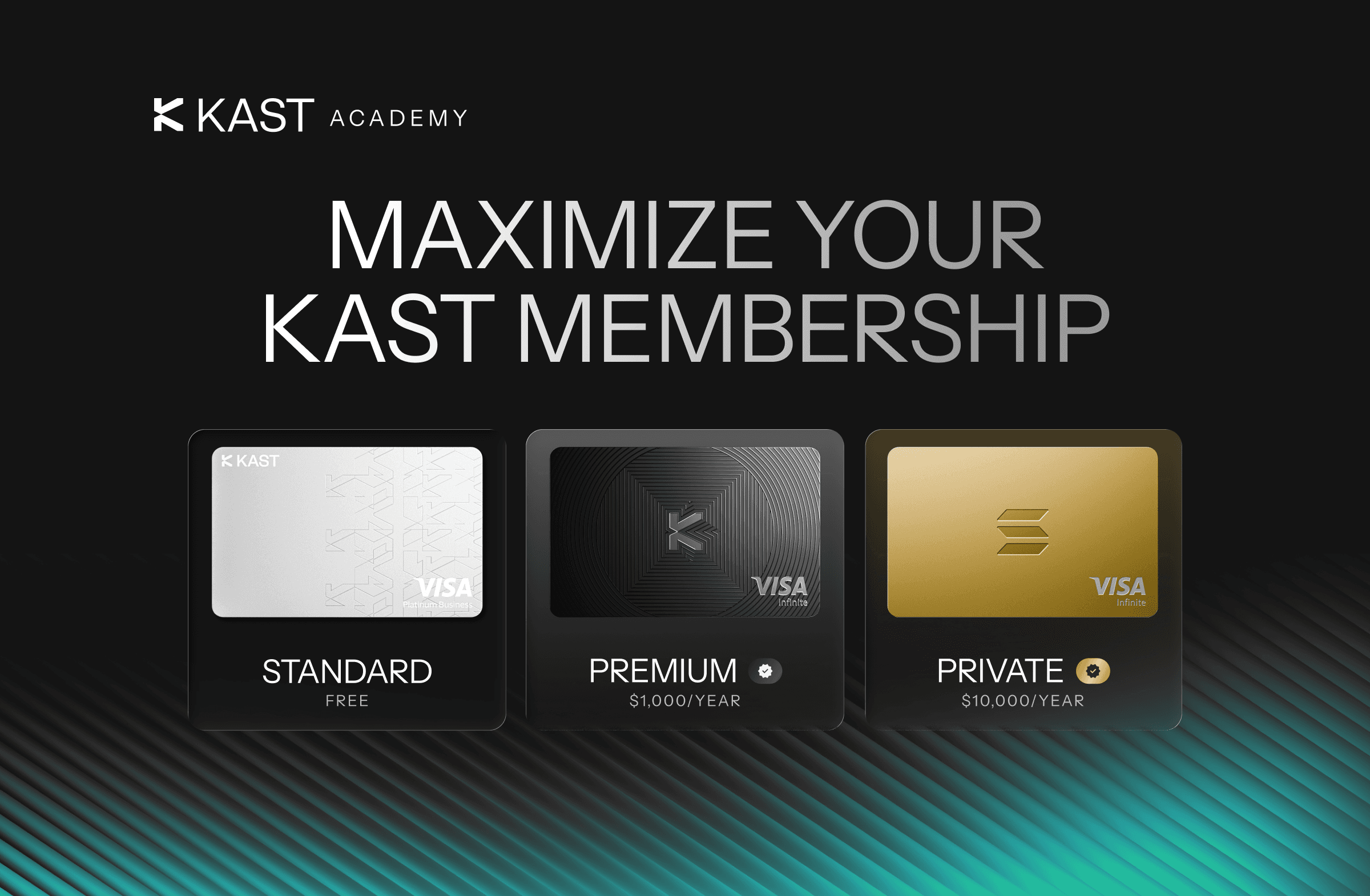
KAST Memberships v1.0 simplifies rewards by applying one tier across every card on your account. Instead of remembering which card does what, you choose a single annual tier that sets your cashback rate.
Is a $10,000 Membership Worth It? Calculating the ROI of KAST Private
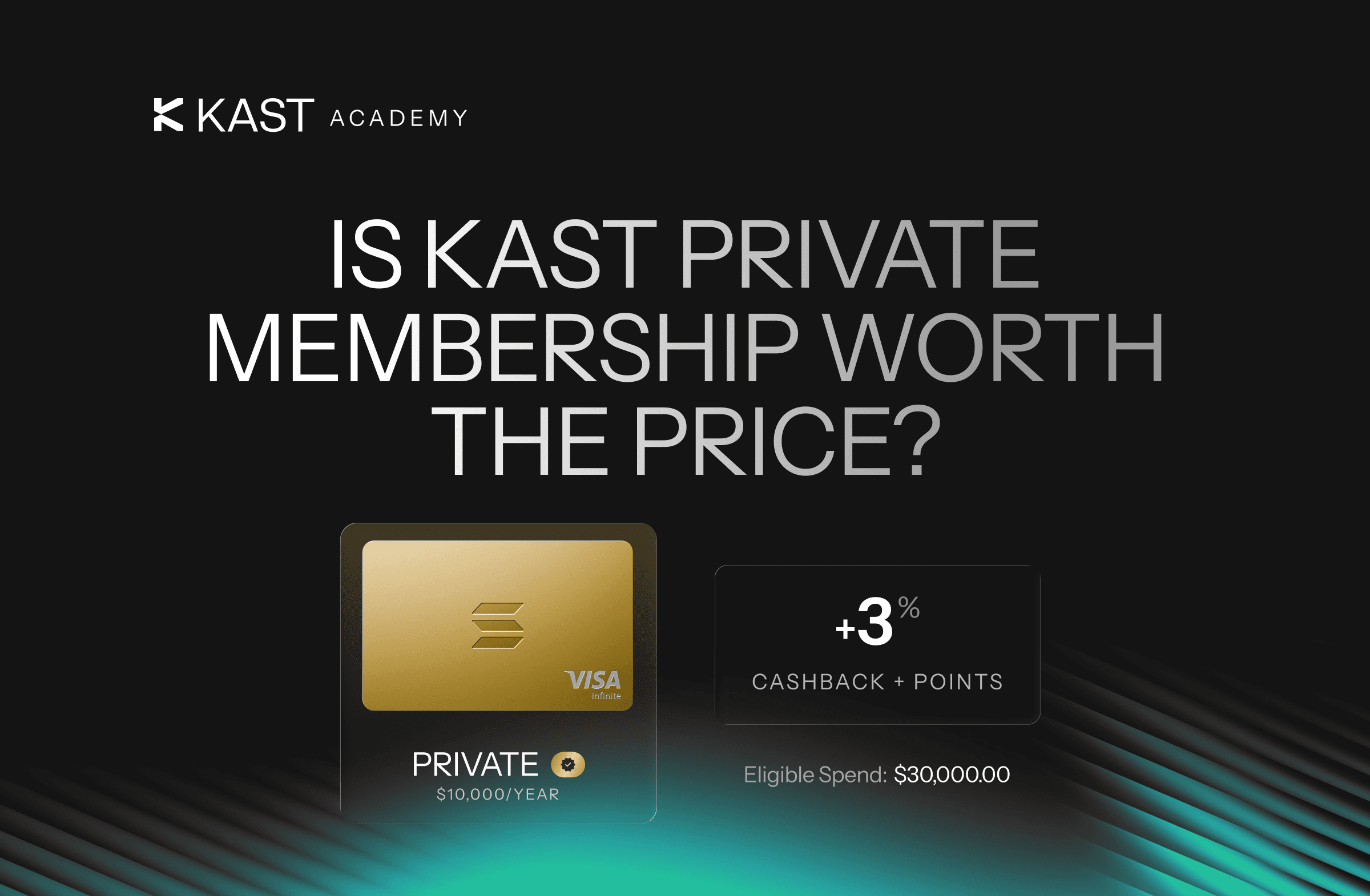
KAST Private offers 3% cashback and extra rewards, but it only pays off if your spending is high enough. Here’s the exact break-even point and how to decide if the $10,000 membership makes sense for you.